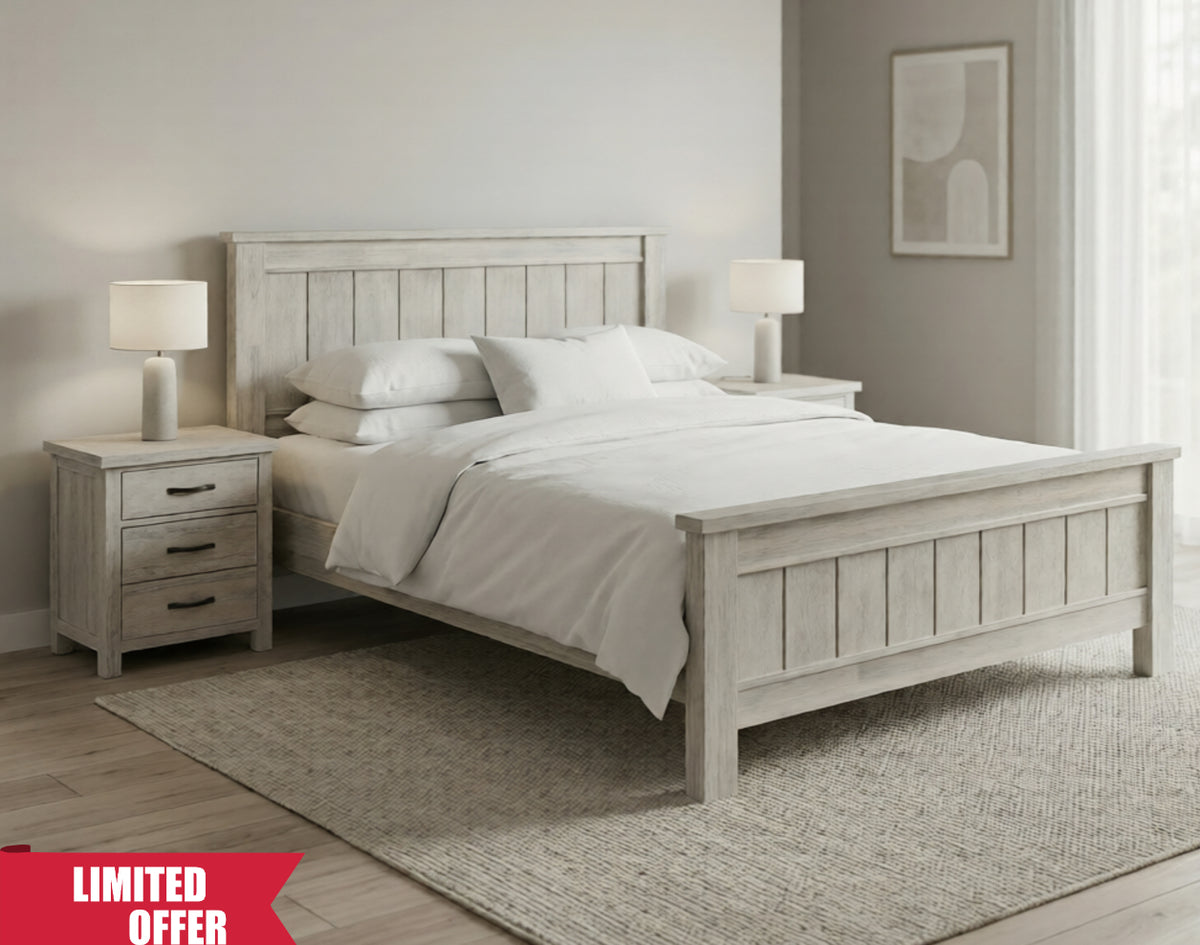
Match the Frame Size to Your Mattress and Room

A frame that looks great in a photo can still be the wrong frame for you. The first thing to check is your mattress. Bed frames are made to hold one mattress size. If the size is wrong, the mattress will slide around or hang over the edge. Grab a tape measure and check the width and length of your mattress before you look at anything else. Don't go by the label alone. Older mattresses aren't always the size you'd expect.
Standard New Zealand mattress sizes are roughly:
- Single: about 92 cm wide by 188 cm long
- King Single: about 107 cm wide by 203 cm long
- Double: about 138 cm wide by 188 cm long
- Queen: about 153 cm wide by 203 cm long
- King: about 165 cm wide by 203 cm long
- Super King: about 183 cm wide by 203 cm long
If your mattress is a long-ago import or an odd size, tell us its measurements before you choose a frame. If you're replacing both pieces at once, a bed and mattress set takes the guesswork out of the match.
The mattress size isn't the space the bed will take up. The frame adds width and length because of its side rails, the base, and the headboard. A chunky wooden bed frame or a padded headboard can add several centimeters on each side. Always check the overall dimensions in the product details. That's the number to compare with your room, not the mattress size.
Next, measure the room. Here's a simple way to do it:
- Measure the wall where the headboard will go, and leave room for power points and light switches.
- Mark the frame's full footprint on the floor with painter's tape and walk around it.
- Leave enough space to walk past the sides and end of the bed. Many people find about 60 cm comfortable.
- Check that wardrobe doors, drawers, and the bedroom door can still open fully.
- If the frame has drawers that pull out the side, leave space for them to open all the way.
The tape trick works well. A queen can look fine on paper, but once it's taped out you might find the wardrobe door hits the corner. A king single might suit that room better, or a queen without a big headboard.
Last, think about the path into the bedroom. Measure the width of your front door, any tight hallway corners, and the stairwell if the bedroom is upstairs. In an apartment, check the lift size too. Most frames come flat-packed or in parts, but the headboard is often the largest single piece. Knowing these numbers before delivery day saves a lot of stress.
Get these three things right, mattress, room, and access, and the frame you pick will fit the way you live. Then you can choose the style and finish you love.
Check Frame Construction Before You Buy

Two frames can look almost the same in photos and feel very different after a year. What's under the mattress decides whether your bed stays quiet and level or starts to creak and dip. You don't need to be a builder to check it. You just need to know where to look.
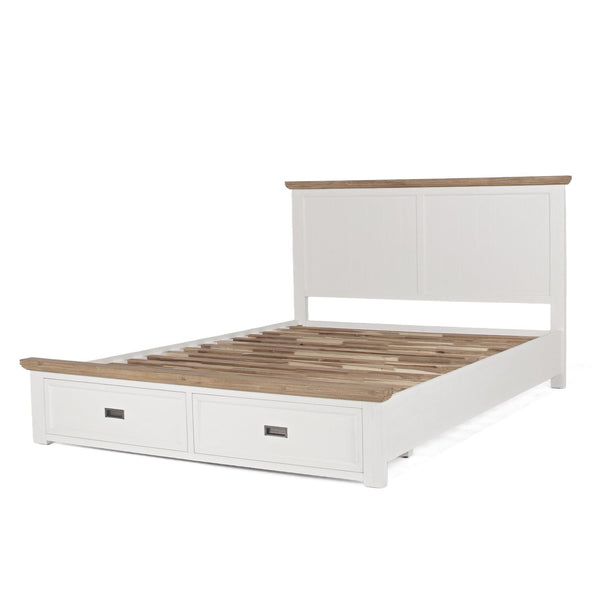
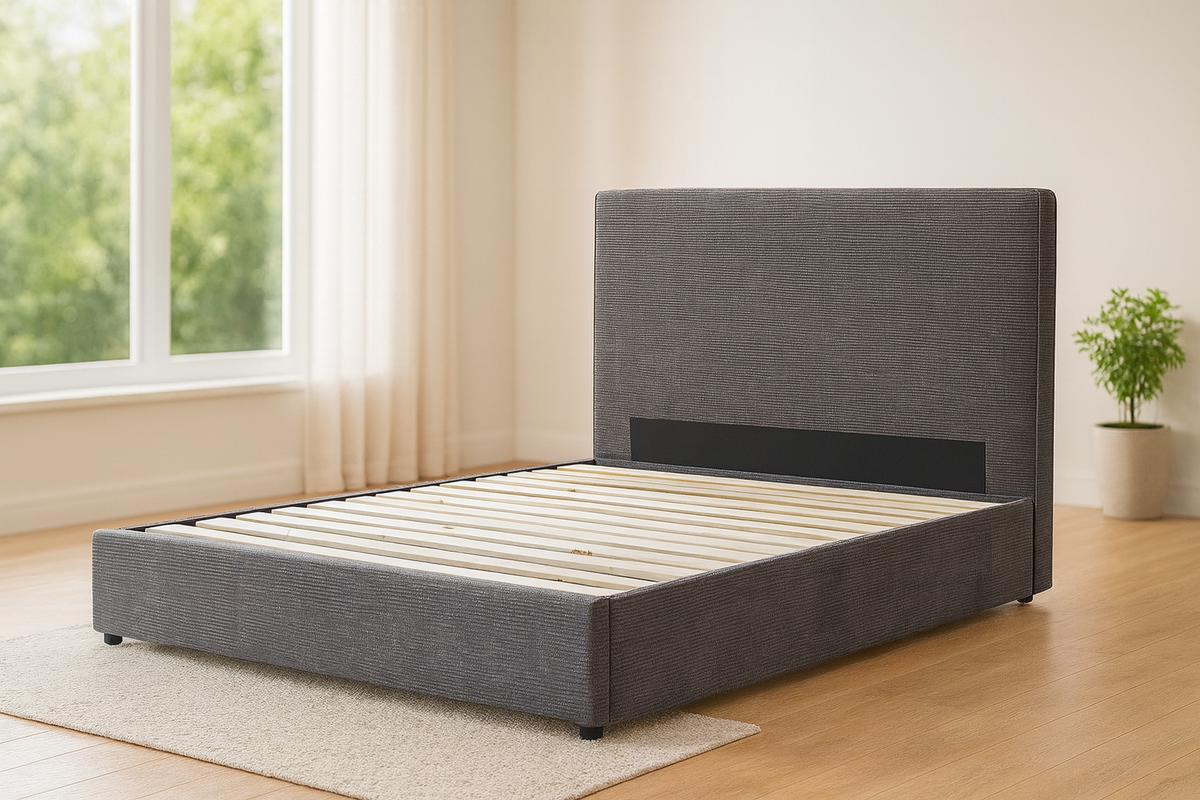
Start with the slats. These are the boards your mattress rests on, and they do most of the work. Look at how many there are and how far apart they sit. Wide gaps can let a mattress sag between the boards, and foam or hybrid mattresses often need closer slats than older spring ones. Your mattress maker usually gives a rule on slat spacing, so check it before you buy. Slats that sit in holders or are fixed at both ends also stay in place better than loose ones that can shift.
Next, look for a center rail. Once you go up to a double, queen, king, or super king, the slats have a long way to span. A rail down the middle with legs that reach the floor stops the middle of the bed from bowing. If a big frame has no center support at all, ask why.
Then check how the frame holds together. The joints are where most squeaks and wobbles start. Here's what to look for:
- Bolts that screw into metal fittings hold better over time than screws driven straight into board.
- Corner brackets help keep the frame square, so it doesn't rack side to side when you sit on the edge.
- Thick side rails flex less than thin ones, which matters most on bigger sizes.
- A headboard that bolts firmly to the frame won't knock against the wall when you move.
Material matters too. Solid timber is strong and can be tightened again if a joint loosens over the years. Engineered board can look smart and cost less, but its screw holes can wear out if you take the bed apart and put it back together a few times. Keep that in mind if you rent and move often. Metal frames are light and strong, though their joints may need a quick tighten now and then to stay quiet. If you like the look of timber, our wooden bed frames are worth a look.
Think about the floor as well. Legs with wide feet or pads spread the weight and are kinder to timber floors and carpet. Check how high the frame sits off the ground, too. A little gap underneath lets air move around the base, which helps in a damp bedroom and makes vacuuming easier.
When you're shopping at a bed shop in Auckland or browsing online, don't be shy about asking direct questions. How many slats does it have? Is there a center rail with legs? What holds the corners together? A good answer should be quick and clear.
Last, give it the simple test. If you can see the frame in person, sit on the edge and shift your weight from side to side. A solid frame stays still and quiet. Then lie in the middle. You shouldn't feel a dip or hear the slats move. A frame that passes these checks will hold your mattress the way it was made to be held, night after night.
That same focus carries through the practical bed shop guidance our team provides to local families.
Learn more about our main service page.
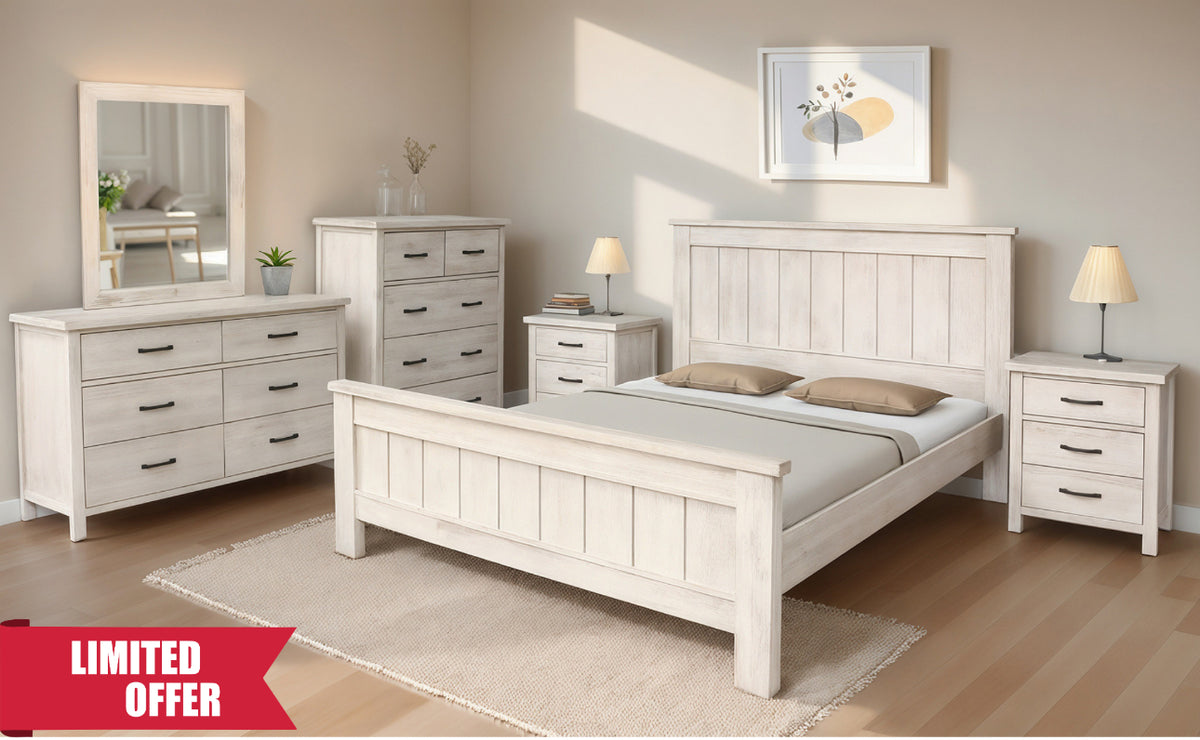
Know What Solid Wood Means
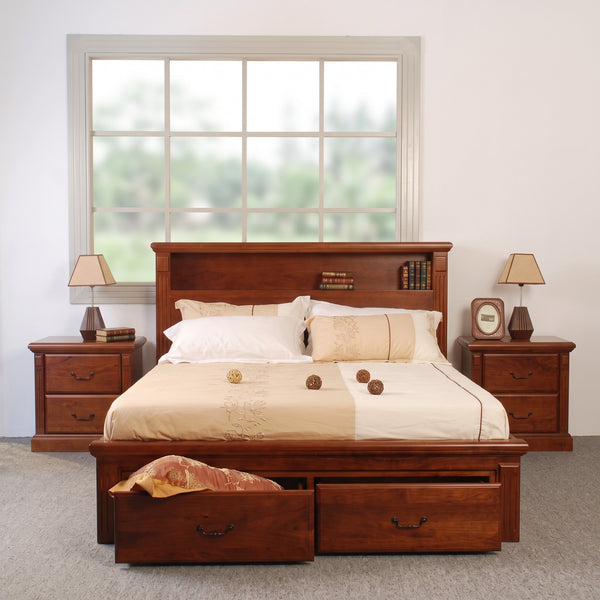
"Solid wood" sounds simple, but on a bed frame listing it can mean a few different things. Sometimes the whole frame is real timber. Sometimes only the legs and side rails are. Knowing the words helps you tell what you're paying for, so you're never surprised when the box arrives.
Here's what the common terms usually mean:
- Solid timber: every part is cut from real wood, all the way through. Scratches can be sanded back and refinished.
- Veneer: a thin layer of real wood glued over a board core. It looks and feels like timber on the surface, but a deep chip will show the core.
- Laminate or foil: a printed wood-look layer over board. It's easy to wipe clean, but it isn't wood.
- Engineered board: MDF, particleboard, or plywood made from wood fibers, chips, or thin sheets pressed together. Plywood is the strongest of the three.
Lots of good frames mix materials. A frame might have solid pine legs and rails with an MDF headboard, or a timber frame with plywood slats. That isn't a trick, and it can be a smart way to keep the cost down. The problem only starts when a listing says "solid wood" and doesn't say which parts. So ask the question straight out: which parts are solid timber, and what kind of wood is it?
If you can see the frame in person, a few quick checks will tell you a lot:
- Look at the end of a rail or leg. On solid timber, the grain on the end follows on from the grain on the face.
- Look for patterns that repeat. If the same knot shows up in the same spot on every panel, it's likely a print.
- Check the edges and the underside. Thin edge strips or raw board underneath point to veneer or laminate.
- Feel the weight. Solid timber and MDF are both heavy, so weight alone won't settle it, but a very light frame is rarely solid wood.
The type of wood matters as much as the label. Pine is a softwood. It's lighter and usually costs less, and it can dent if a toy or a vacuum knocks it. Many people like that worn-in look. Hardwoods such as oak or rubberwood are denser and stand up better to bumps, which helps in a kid's room or a busy home.
Solid timber also moves a little with the air. In damp months it takes up moisture and swells slightly, and in drier months it shrinks back. In a humid Auckland winter, a joint might feel a touch tighter or a panel might show a fine gap later in the year. That's normal for real wood, not a fault. Veneered board moves less, which is one reason some makers use it for wide headboard panels.
So which is right for you? If you want a frame you can refinish and keep for many years, choose solid timber and ask about the species. If you want a timber look at a lower cost, a well-made veneer frame is a fair choice, as long as you know that's what you're buying.
Need help with Bed Frames?
027 253 1566Explore Our Furniture Collection. Furniture Tree Auckland is ready to help.
Weigh Warranty and Finance Before You Commit
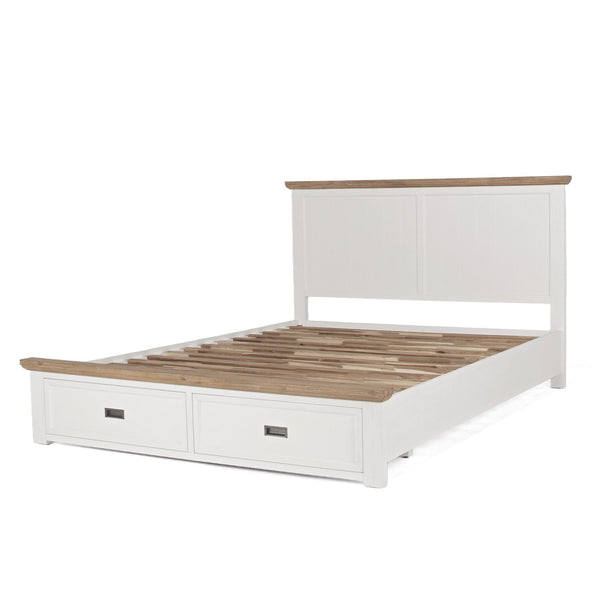
You've checked the size, the slats, and the timber. The last step is the paperwork side: what backs the frame after it's delivered, and how you'll pay for it. These two things don't change how the bed looks, but they change how you'll feel about it a year from now.
A warranty is only as good as the frame behind it. That's why the construction checks earlier on this page come first. A bed with a solid center rail, bolted joints, and well-fixed slats is less likely to need a claim at all. The warranty is your backup if something in the build lets you down, not a reason to accept a weak frame.
At Furniture Tree, our furniture comes with a 3 year manufacturing warranty. Before you buy any frame, from us or anywhere else, it's worth asking a few plain questions so you know where you stand:
- What does the warranty cover on this frame, and how long does it last?
- Who do I contact if a joint, slat, or rail fails, and what do I need to send?
- Does putting the bed together myself affect anything, and should I keep the instructions?
- Does moving house or taking the frame apart change anything?
Keep your receipt or order email somewhere easy to find, along with the assembly instructions and any spare bolts. If you ever need help, having those on hand makes the process quicker and less stressful.
Finance can make a better frame reachable sooner, and that can be a smart choice. A sturdy queen frame you'll keep for years may be better value than a cheaper one you'll replace in two. But spreading the cost only helps if the deal suits your budget all the way to the end.
When you look at any finance offer, look past the weekly amount. That small number can hide the real cost. Ask these things before you sign:
- What's the total I'll pay by the end, including any fees?
- Is there an interest-free period, and what happens when it ends?
- Are there fees for paying late, or for paying it off early?
- Will the payments still fit if my costs go up over winter?
A good rule is simple. If the total still feels fair and the payments fit easily, finance can work well. If you'd be stretching to make each payment, choose a frame that fits your budget today, or wait a little longer. A well-built simpler frame is a better buy than a fancy one that adds money worries.
Furniture Tree offers flexible finance options. Ask us which ones apply to the frame you're looking at, and what the terms and approval steps are, so you can compare the full cost before you decide.
Repair or Replace a Damaged Bed Frame
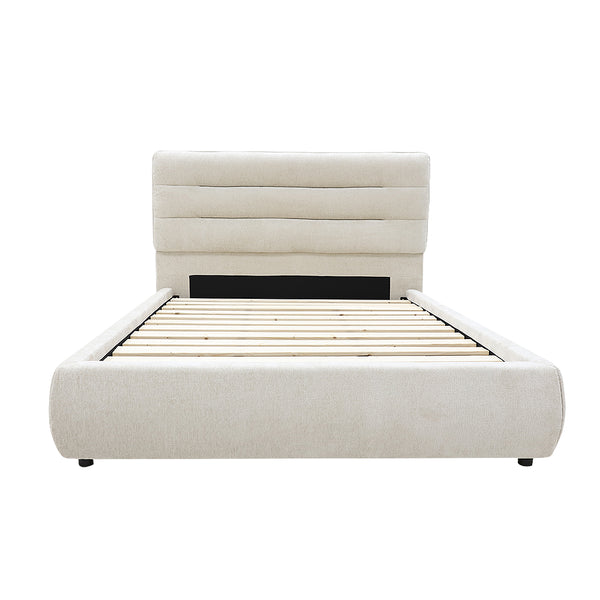
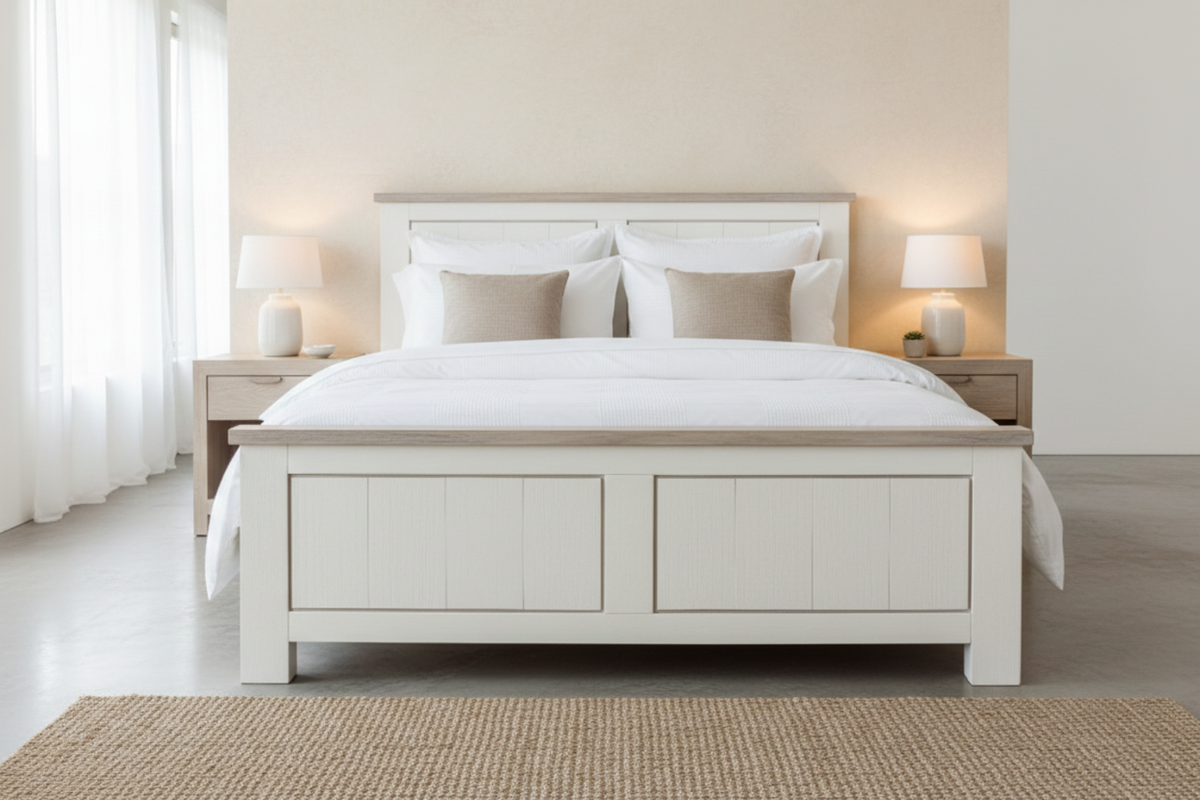
Not every creak means you need a new bed. Plenty of frames that squeak, wobble, or lose a slat can be fixed in an afternoon with a few basic tools. Before you shop, work out what's wrong. You might save yourself the cost of a new frame altogether.
These problems are usually worth fixing yourself:
- Squeaks and wobbles. Most of the time it's a loose bolt. Tighten every bolt and screw, starting at the corners. A frame that's been moved house is often the culprit, because the joints don't always go back together as tight as they came.
- A broken or cracked slat. You can swap a single slat for a new one cut to the same length and thickness. Measure the old one first, then match it.
- Slats that rattle or shift. A strip of felt or fabric tape where the slats rest can quiet them down.
- A sagging middle with no floor support. If the center rail has no legs, or a leg has gone missing, adding an adjustable support leg can stop the dip.
- A stripped screw hole in solid timber. Wood glue and a small dowel or a few matchsticks in the hole will give the screw something to bite into again.
Say your bed started creaking after you moved into a new place. You pull the mattress off and find two corner bolts only half done up. Ten minutes with an Allen key and the noise is gone. That's a fix, not a reason to buy.
If your frame is still under warranty, check that before you start any repair. Then you'll know your options first.
Some damage is a different story. It's time to replace the frame when:
- A side rail or the center rail is cracked or split along its length. These carry the whole load, and a patched rail rarely holds for long.
- The frame still racks side to side after you've tightened everything. That usually means the joints themselves have worn out.
- Engineered board has swelled, gone soft, or started to crumble around the fittings, often after water damage or a leak. Screws won't hold in it anymore.
- Several slats keep breaking, which points to rails that are bowing or slats that were too thin from the start.
- You've bought a new mattress in a different size, or one that needs closer slat spacing than your frame can give.
There's also a middle ground. If the frame is sound but the slats are tired or spaced too wide for your mattress, you may only need a new set of slats, not a whole bed. And if you just don't like the look anymore but the frame is solid and quiet, a fresh headboard can change the room without replacing what's underneath.
Here's an honest rule of thumb. If the problem is in the small parts, like bolts, slats, or a missing leg, fix it. If it's in the big parts, like the rails, the joints, or the board itself, put the money toward a new frame. Spending it there will do more for your sleep than patching something that's already giving way.