Need King Single Beds?
027 253 1566Explore Our Furniture Collection. Call Furniture Tree Auckland now.
What a King Single Bed Is and Who It Suits
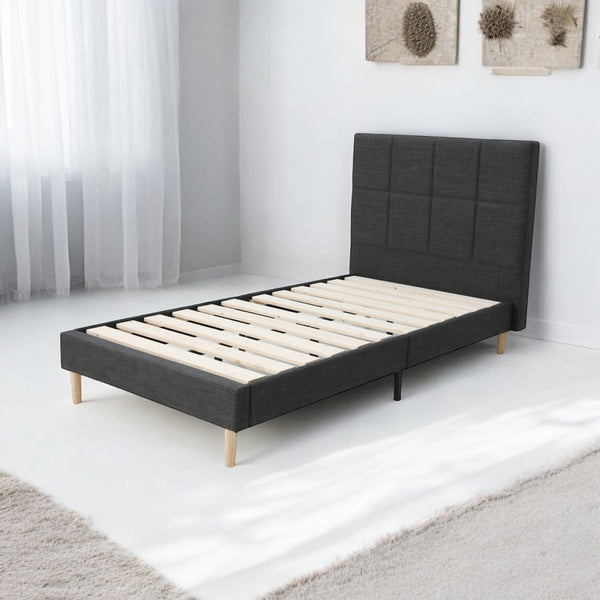
Think of this size as the grown-up version of a single bed. In New Zealand, a standard single is about 92 cm wide and 187 cm long. It adds around 15 cm of width and about 16 cm of length. That doesn't sound like much on paper, but you feel it the first night. There's room to roll over without hitting the edge, and taller sleepers can stretch out without their feet hanging off the end.
The length is the part most people don't expect. At around 203 cm, it's as long as a queen bed. So a teenager who shoots up to 185 cm won't outgrow it. Exact sizes can shift by a centimeter or two between makers. It's always worth checking the listed measurements before you buy.
Here's how it sits next to the sizes people usually weigh it against:
- Single: about 92 x 187 cm. Good for younger kids and tight rooms, but short for most adults.
- King single: about 107 x 203 cm. Room for one person to spread out, with full adult length.
- Double: about 137 x 187 cm. Wider, but shorter than a king single, and it takes up noticeably more floor.
That last point surprises a lot of people. If you're buying for one tall person, this size gives them more length than a double while using less floor space.
So who does it suit best? This bed size works well for:
- Kids moving out of a single bed, so you buy once and it lasts through the teenage years.
- Tall teens who already feel cramped in a standard single.
- Single adults, flatmates, and students who want a proper bed in a modest room.
- Guest rooms where one visitor at a time is the norm.
- Restless sleepers who need a bit of extra width to settle.
It's not the right pick for everyone, and we'd rather you know that now. Two adults sharing a bed every night will find 107 cm too narrow, so a double or queen is the better call. In a very small room where every centimeter counts, a standard single might leave you the walking space you need. For siblings sharing one room, our bunk beds or trundle beds can make more sense than two separate king singles.
One more thing to plan for is bedding. King single sheets, duvets and mattress protectors are their own size. Standard single bedding won't fit properly, so add that to your list when you're budgeting for the new bed.
Before you choose, grab a tape measure. Mark out about 107 x 203 cm on the bedroom floor and see how much space is left around it. Check that doors, wardrobes and drawers can still open fully. If it fits with room to walk, this is likely the size that'll serve that person well for years.
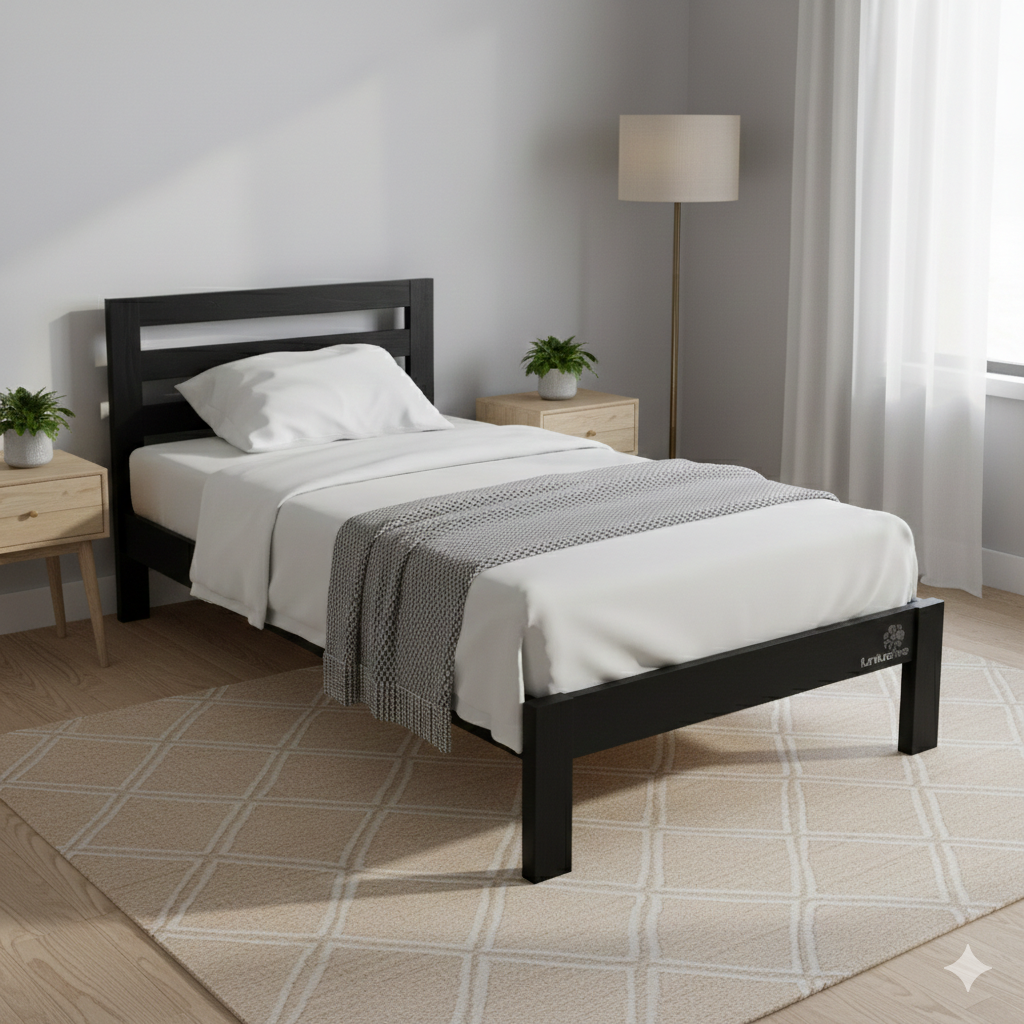
Matching Frame and Mattress Size Is the Real Decision
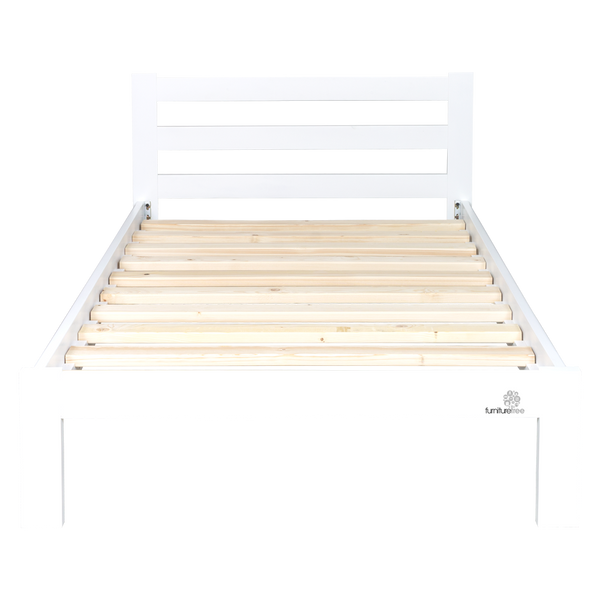
Once you know the size is right, the next step trips up more people than anything else. The frame and the mattress have to match. They're two separate purchases, and a few centimeters either way can turn a good bed into a frustrating one.
A king single mattress is built to sit inside a king single frame, at about 107 x 203 cm. If the mattress is too small, it slides around and leaves a gap along the side or the end. Kids drop toys and phones down that gap, and the mattress edge loses its support. If the mattress is too big, it either won't sit flat or it bulges over the rails. Neither problem goes away with time.
Here are the mismatches to watch for:
- Reusing the old single mattress. It feels like a smart saving, but a single is about 15 cm narrower and 16 cm shorter than a king single frame. You'll see the gap straight away.
- Mixing up king single and long single. Some makers sell a long single, which has the length but not the width. Check both numbers, not just the name on the label.
- Imported mattresses. Sizes from overseas brands often don't line up with New Zealand sizes. A mattress sold online with a foreign size name may be a few centimeters off a local king single frame.
- Rounding in listings. One maker's 106 cm is another's 107 cm. A centimeter is fine. Five isn't.
There's a second number people forget. The mattress size tells you what fits inside the frame, but the frame itself takes up more floor than that. Side rails, a footboard and a headboard can add several centimeters to the width and even more to the length. So when you marked out 107 x 203 cm on the floor earlier, treat that as the smallest the bed will be. Check the frame's outside measurements before you commit, especially if the bed has to fit between a wardrobe and a window or past a door that swings inward.
When you're comparing options at a bed shop in Auckland, ask for both numbers: the inside size the mattress needs and the outside size the frame takes up in the room. If a listing only shows one, it's worth asking before you buy rather than finding out on delivery day.
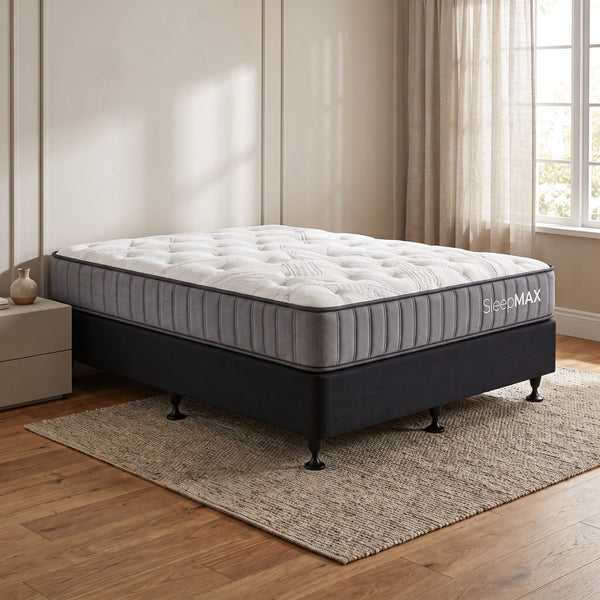
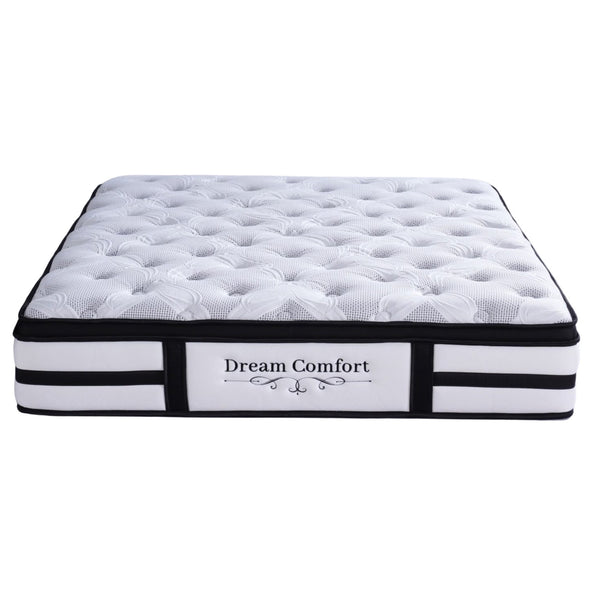
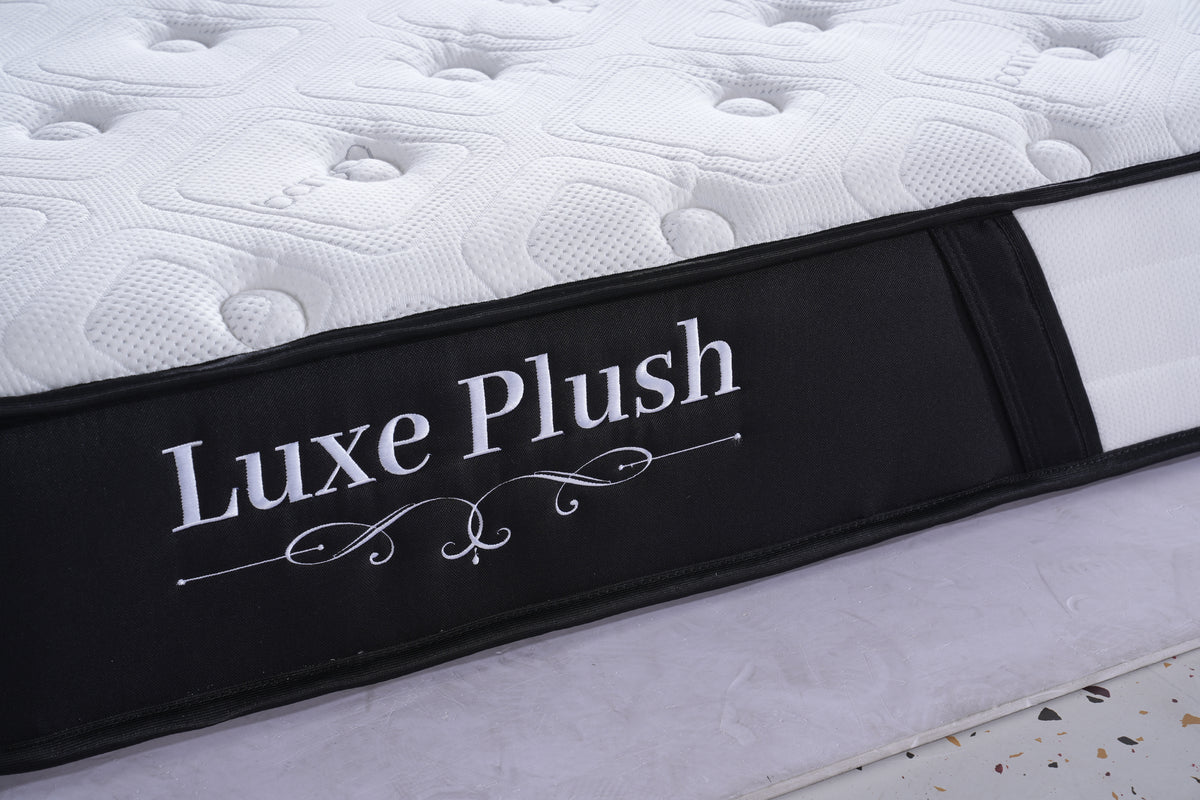
The simplest way to avoid every one of these problems is to buy the frame and mattress together. Our Bed & Mattress Sets pair a frame with a mattress made for it, so the sizing question is already answered. If you'd rather choose each piece yourself, look at our King Single Mattresses alongside the frame you like, and check that both are listed as king single with matching measurements.
Getting this right matters more than the look of the frame or the style of the headboard. A bed that fits properly, with no gaps and no overhang, is the one that still feels right years from now.
That same focus carries through the practical bed shop guidance our team provides to local families across Auckland.
Learn more about our main service page.
Frame Styles and Features to Compare
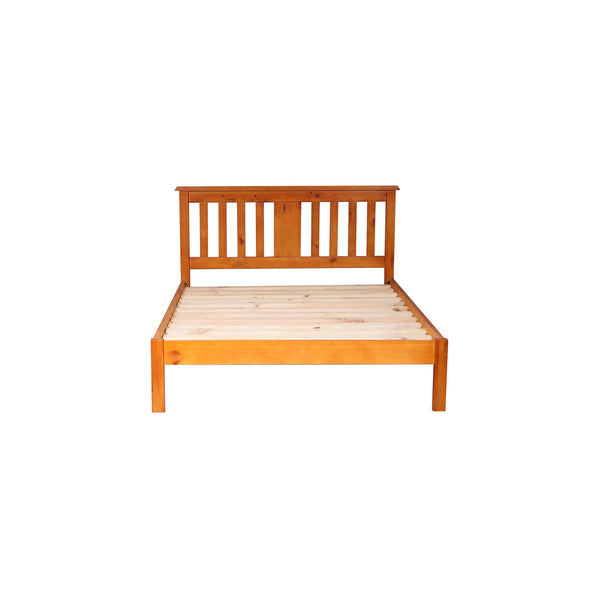
With the size sorted, it's easy to get pulled in by color and headboard shape. Those matter, but a few less obvious features decide how the bed feels and fits day to day. Here's what's worth comparing when you look at frames side by side.
Start with what the mattress sits on. Most frames of this size use one of two bases:
- Slatted base. Timber or metal slats run across the frame and the mattress sits right on top. Look for slats set close together and a center support rail. Wide gaps let the mattress sag between slats over time, especially with an active kid bouncing on it.
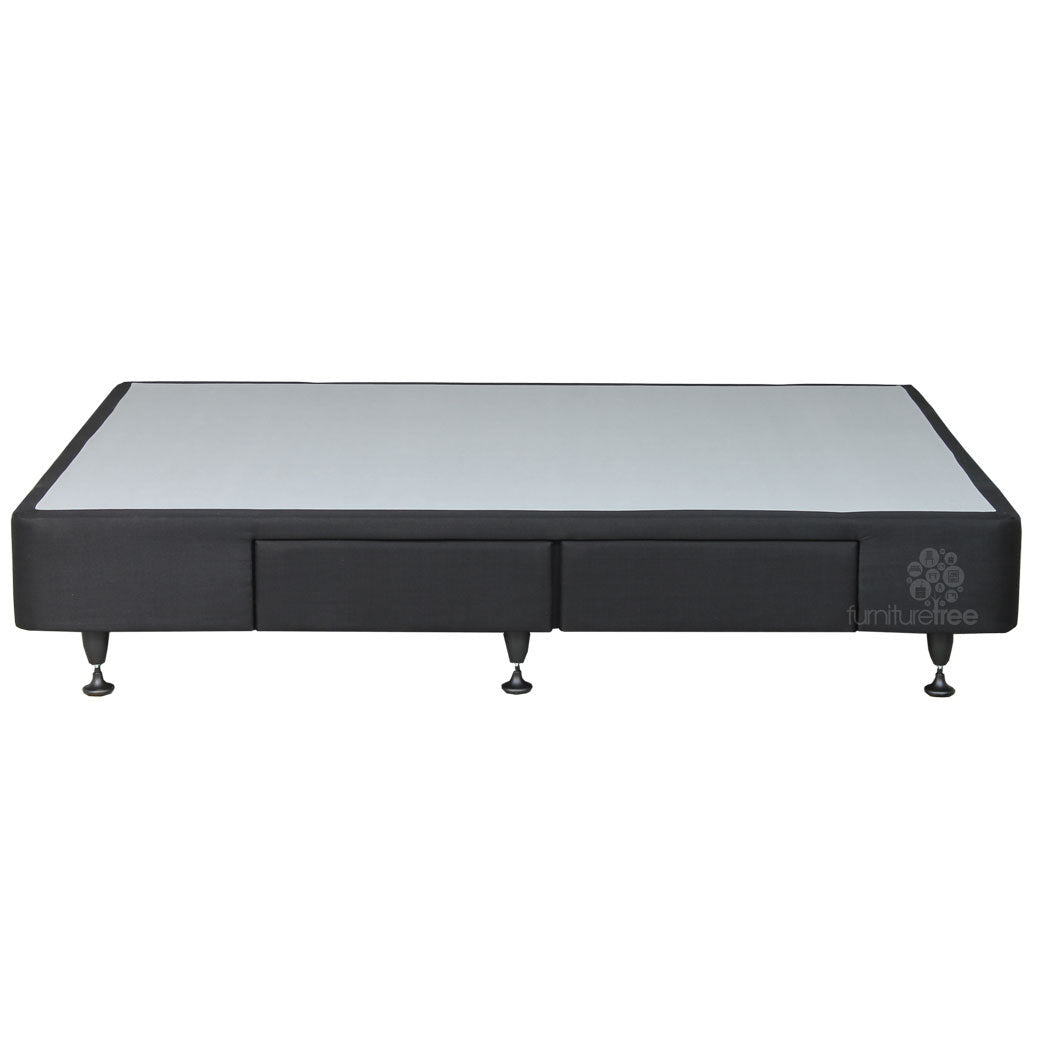
- Solid or ensemble-style base. A flat, firm platform gives even support across the whole mattress. It's simple and sturdy, but it allows less airflow under the mattress than slats do.
Next, check the height. A low frame suits younger kids who climb in and out on their own, and it can make a small room feel more open. A higher frame is easier for adults to sit on and get up from. It also leaves room underneath for boxes or a pull-out drawer. Add the mattress thickness to the frame height to see where the sleeping surface will end up.
Then think about the material. Each one suits a different room and a different sleeper:
- Wood feels solid, and it's quiet when someone rolls over. Our wooden bed frames are a good place to start if you want a bed that moves from a child's room to a teen's room without looking young.
- Metal frames are usually lighter and slimmer. That can help when the bed has to come up narrow stairs or fit beside a wardrobe.
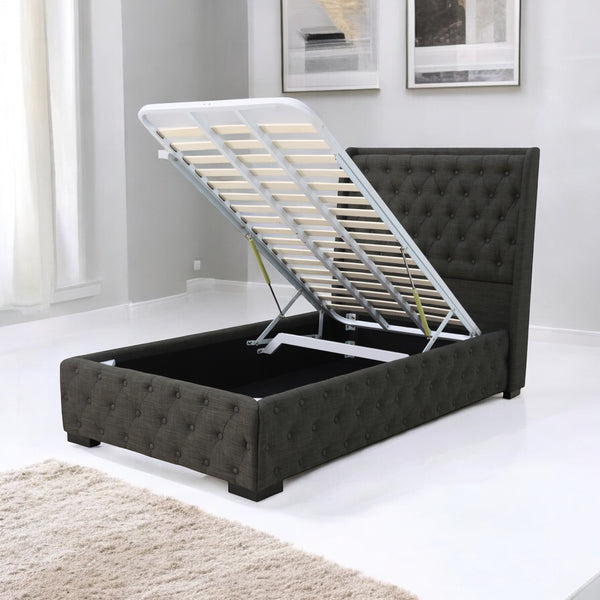
- Upholstered frames have soft, padded edges. Parents of younger kids often like that, but fabric shows wear faster than wood.
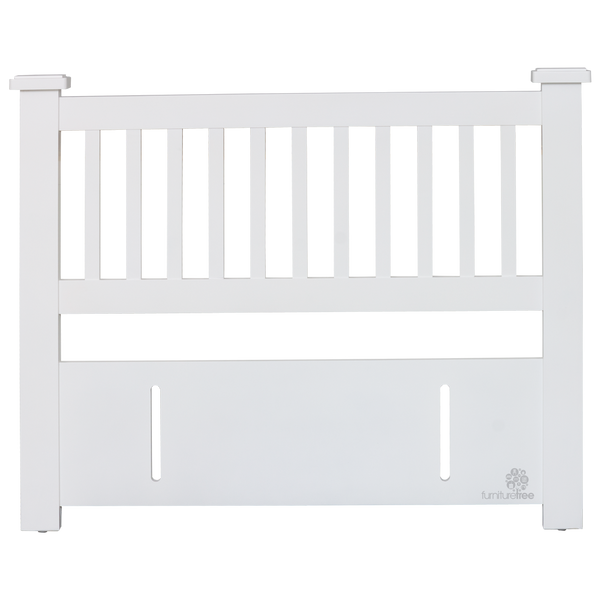
The headboard and footboard are the features that most change the frame's outside size, which we covered earlier. A tall footboard can also block the feet of a tall teen, the very person this bed size is meant to suit. If length is the reason you're buying this size, a frame without a footboard keeps that full 203 cm usable. You can always add a headboard to a plain frame later.
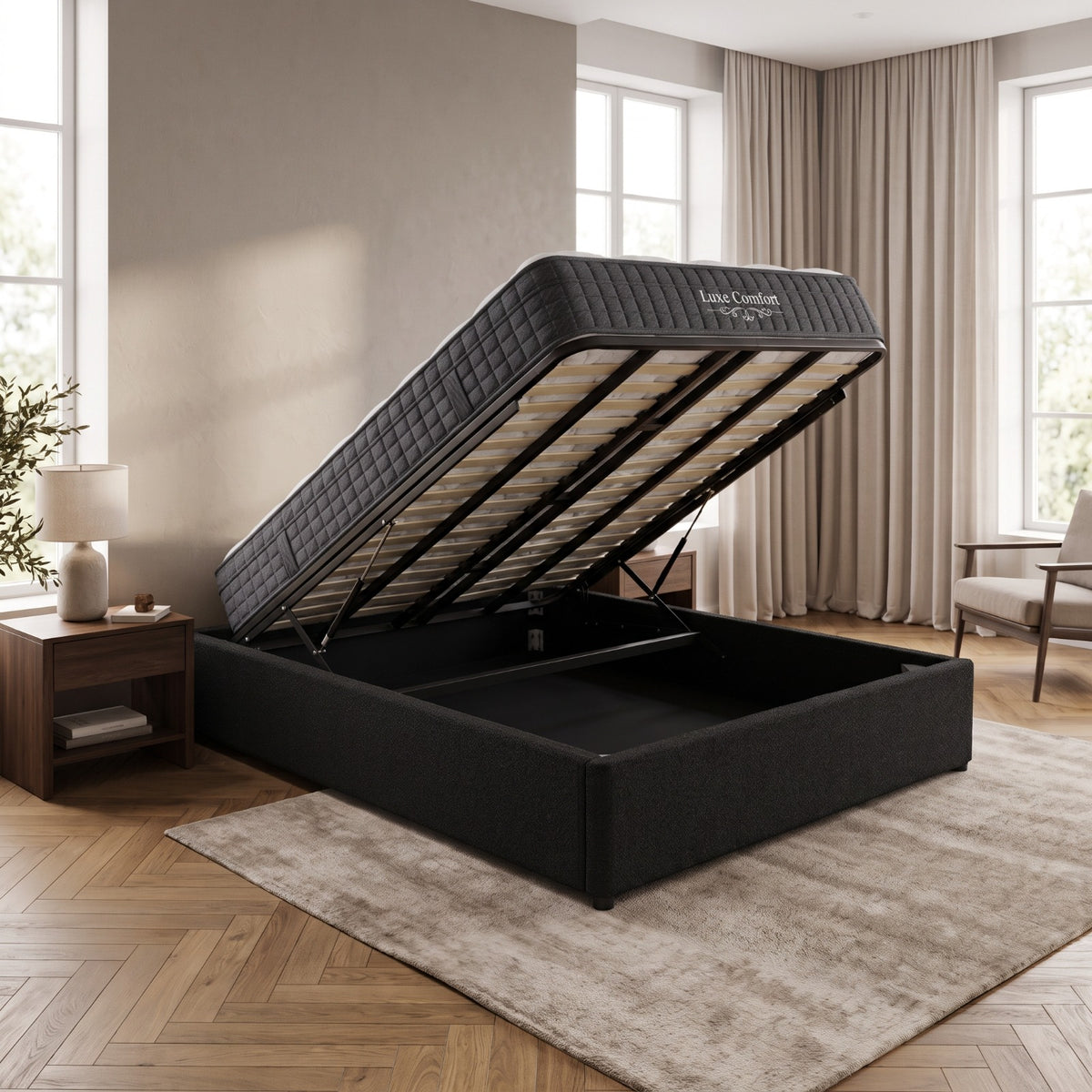
Storage is the last big choice. If the room has no space for drawers, a storage bed puts that space under the mattress instead. How the storage opens and what it holds is a topic of its own, so it's covered on our storage beds page. For now, just check that drawers or lift-up bases have room to open in the spot where the bed will go.
One last check is how the frame comes. Ask whether it's delivered flat-packed or assembled, and measure your doorways and stair turns against the boxed size. A frame that's perfect on paper isn't much use if it can't get past the hallway.
Have questions? We're happy to help.
027 253 1566Explore Our Furniture Collection. Furniture Tree Auckland is ready to help.
When a King Single Is Not the Right Size
A king single is a great size, but it isn't always the best buy right now. Here are the cases where we'd tell you to choose something else, or to hold off for a while.
Your child has just come out of a cot. A three- or four-year-old has years of growing left before they need 203 cm of length. A standard single is often plenty at this stage, and it leaves more floor for play. Buying ahead can still make sense if you want one bed to last through the teenage years. But if money's tight or the room is busy with toys, a single is a perfectly good choice. You can move up once they need the space.
The current single still fits. If the bed is in good shape and the person sleeping in it isn't cramped, there's no rush to upgrade. Watch for these signs that it's time:
- Their feet press against the end, or hang over it, when they lie straight.
- They curl up to fit, or wake up with a sore neck from sleeping bunched up.
- They roll off the edge, or say they feel squashed against the wall.
- The mattress sags in the middle, or the frame creaks and wobbles.
If none of these sound familiar, the bed they have is doing its job. Come back when one of them does.
The bed is often shared with a child or a pet. At 107 cm wide, this size gives one person room to spread out. It doesn't give two. A parent who lies down with a little one most nights, or a teen whose dog sleeps on the bed, will find it tight fast. If that's a regular part of bedtime, a double gives everyone room to settle without someone ending up on the edge.
Your guest room often hosts couples. If most of your visitors are parents, grandparents or friends who come as a pair, this size will only suit half of them. A double bed or queen bed is the friendlier pick there, even if it takes up more of the room.
The sleeper is about to move on. If your teen is a year away from leaving home, or you're setting up a room that'll soon become a study, think about where the bed goes next. This size can be handy in a flat, but it's an odd fit for many guest rooms and spare rooms. Make sure it has a sensible second home before you buy.
None of these mean it's a bad bed. They just mean it's the right bed for one person who needs the length and a bit of extra width, and not much else. If that doesn't describe who'll be sleeping in it, a different size will serve you better, and that's the bed we'd rather help you find.
Buying a King Single Frame or a Bed & Mattress Set
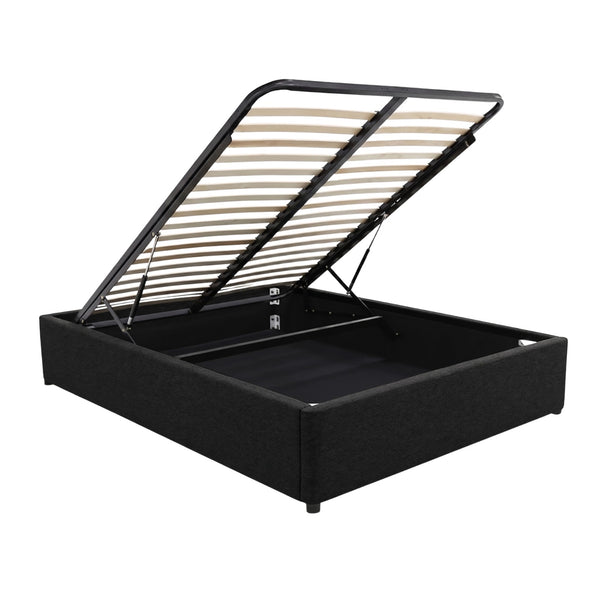
You've picked the size and you know what to look for in a frame. Now you need to decide how to buy it. You can get the frame on its own, or a frame and mattress together. The right choice depends on what you already have at home.
A frame on its own makes sense in a few cases:
- You already own a king single mattress that's in good shape, and it's listed at the same measurements as the new frame.
- You're replacing a wobbly or broken frame, and the mattress on it still feels fine.
- You want to choose the mattress yourself, maybe firmer for a teen with a sore back or softer for a light sleeper.
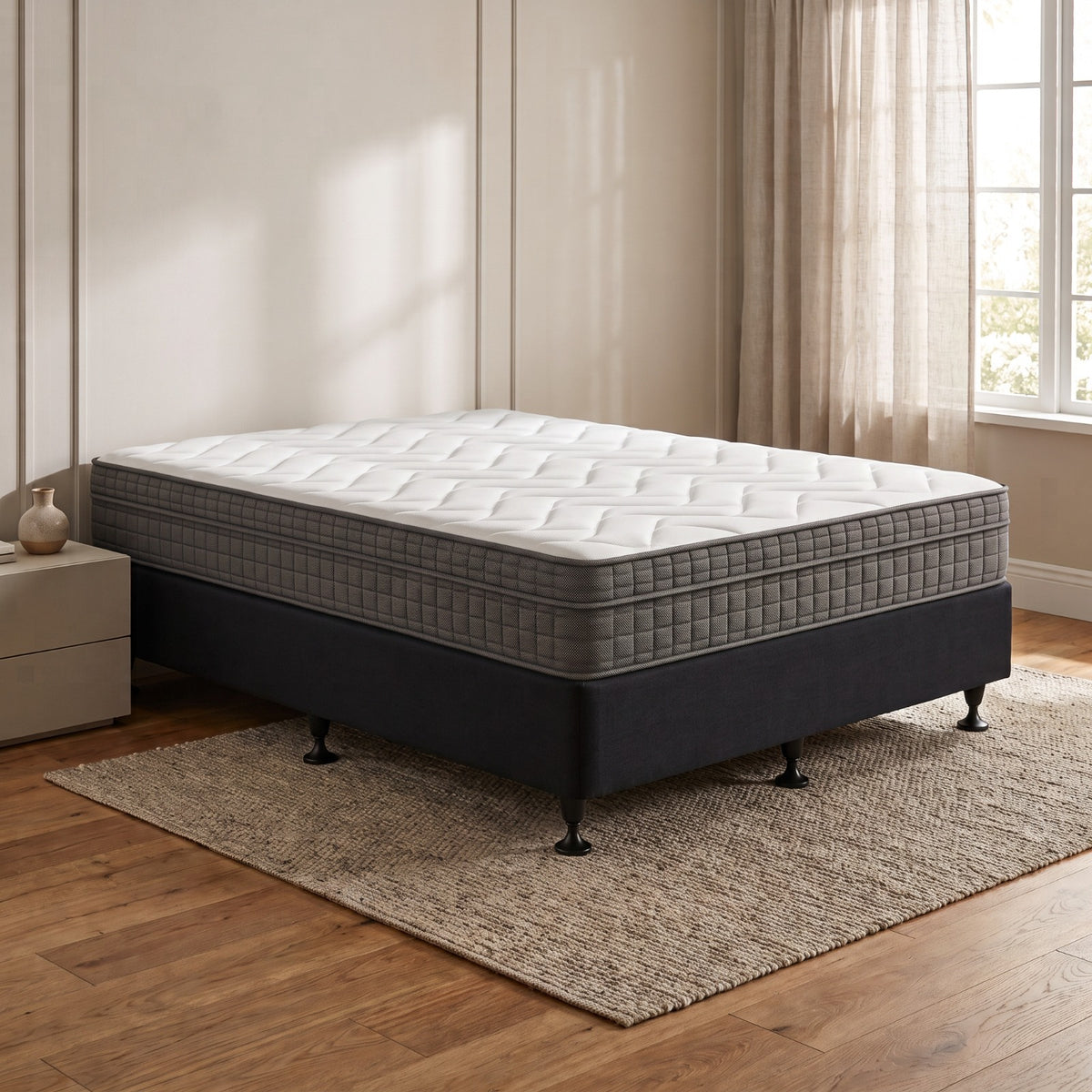
A set is usually the easier path if you're starting fresh. This is often the case when a child is moving up from a single, because that old mattress won't fit this frame size, as we covered above. It's also the simpler option for setting up a flat or a guest room from scratch. You make one choice instead of two, and the size question is already sorted.
Price is the other part of the decision. We haven't listed prices here, but it helps to know what pushes the cost up or down before you start comparing:
- Frame material. Solid wood, metal and upholstered frames sit at different points on the scale.
- Storage. Drawers or a lift-up base add parts, and that adds cost.
- Headboard. A tall or padded headboard costs more than a plain frame.
- The mattress. In a set, the mattress type often makes a bigger difference to the total than the frame does.
- Getting it home. Ask how delivery is charged and whether the bed arrives flat-packed or ready to use.
When you compare a set with buying the two pieces apart, add up the full cost of both pieces, plus delivery. Don't just look at the frame price. A cheap frame paired with the wrong mattress isn't a saving if you end up buying again.
Here are the questions worth asking before you pay, whether you're in a shop or ordering online:
- What are the inside and outside measurements of this frame?
- Is the mattress in this set made to king single size, with the exact measurements listed?
- What base does the frame have, and is there a center support rail?
- Does it come flat-packed, and what's the boxed size?
- How does delivery work to my address?
Furniture Tree delivers nationwide, so you can order from anywhere in Auckland and beyond. If you'd like to see the frames before you choose, our showroom is at Unit 12/46 Hobill Avenue, Wiri. You can stand next to the bed, sit on the edge, and check the height against the person it's for. If you're weighing a set against buying the frame alone, our team can talk you through both.