Single Bed Sizing Versus King Single
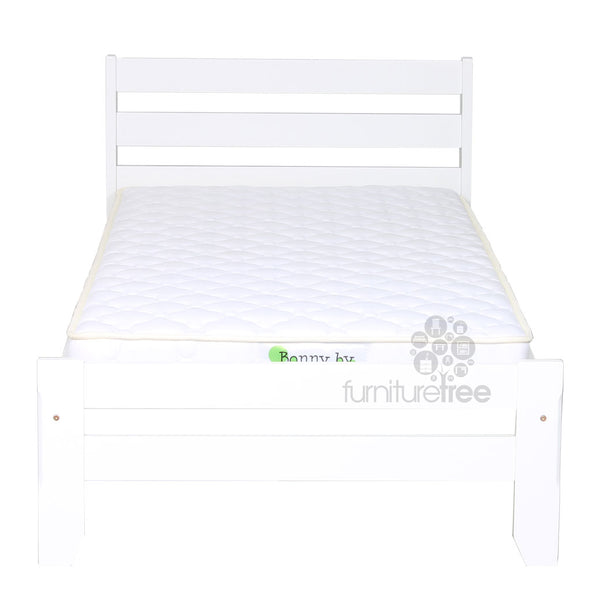
These two sizes look close on paper, but they suit different people and rooms. A standard single mattress is around 92 cm wide by 187 cm long. A king single is around 107 cm wide by 203 cm long. The frame adds a few centimeters on every side, and more if it has a chunky headboard or footboard. Check the full frame size before you measure up.
Length matters more than width. A common rule of thumb is to pick a mattress at least 10 to 15 cm longer than the person sleeping on it. That puts a standard single at a comfortable fit for anyone up to about 172 cm tall. Past that, feet start hanging close to the edge, and a king single's extra length makes a real difference.
- A standard single suits young kids, primary-age children, guest rooms that are used now and then, and narrow rooms where every bit of floor counts.
- A king single suits teenagers who are shooting up, taller adults sleeping on their own, and anyone who tosses and turns and wants more room to move.
- If your child is about 10 or older and already tall for their age, a king single can save you from buying a second bed in a few years.
Now look at the room itself. A king single takes up roughly 15 cm more width and 16 cm more length than a single. That doesn't sound like much, but in a small bedroom it can be the difference between a wardrobe door opening fully or hitting the bed end. Try to leave about 60 cm of clear walkway along at least one side of the bed so it's easy to get in, make the bed, and move around.
Here's a quick way to check. Use masking tape to mark the full frame size on the floor, then open every door and drawer in the room. If anything catches on the tape line, the bigger size probably won't work. While you've got the tape measure out, measure the hallway, stairwell, and bedroom doorway too, especially in older homes with tight corners.
Bedding is the other thing people forget. Single and king single sheets aren't interchangeable. A single fitted sheet won't stretch over a king single mattress, and a king single sheet will bunch up on a single. If you've already got a cupboard full of single bedding, that's worth weighing up. And whatever frame you choose, the mattress needs to match its exact size, so buy the two with the same size in mind.
If you're leaning toward the bigger size, our King Single Beds page goes into more detail on that option. If the room is tight and the sleeper is young or of average height, a standard single is often the more practical choice. It leaves more floor space for play, study, or storage furniture.
Matching a Single Bed Frame to Your Mattress

Once you've settled on the size, the next question is what's underneath the mattress. A good mattress on the wrong base can sag, feel lumpy, or wear out early. A sound frame under a mattress that's too thick can leave a child sleeping higher than you'd like. A few quick checks will sort out both problems.
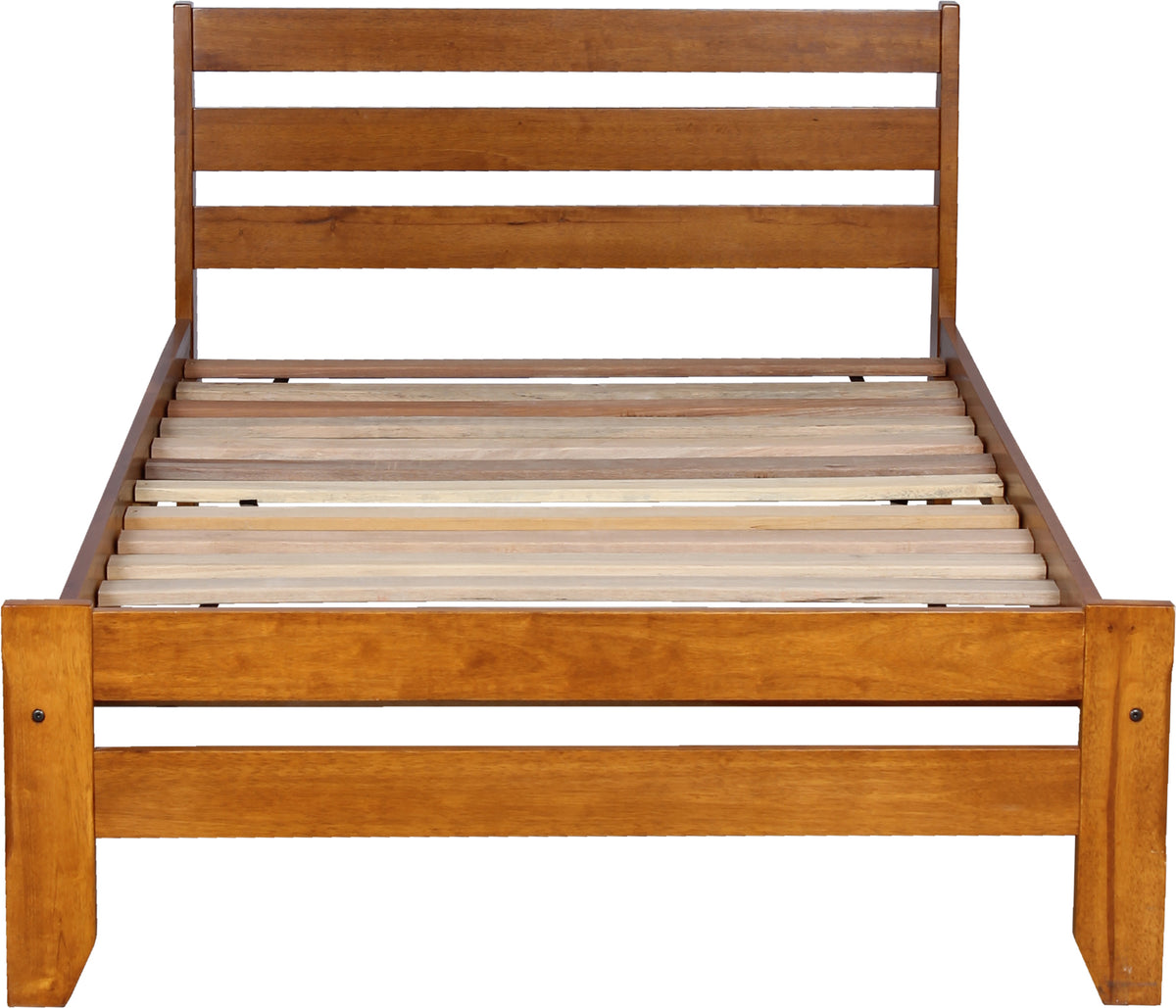
Start with the base. Most single frames use one of two types:
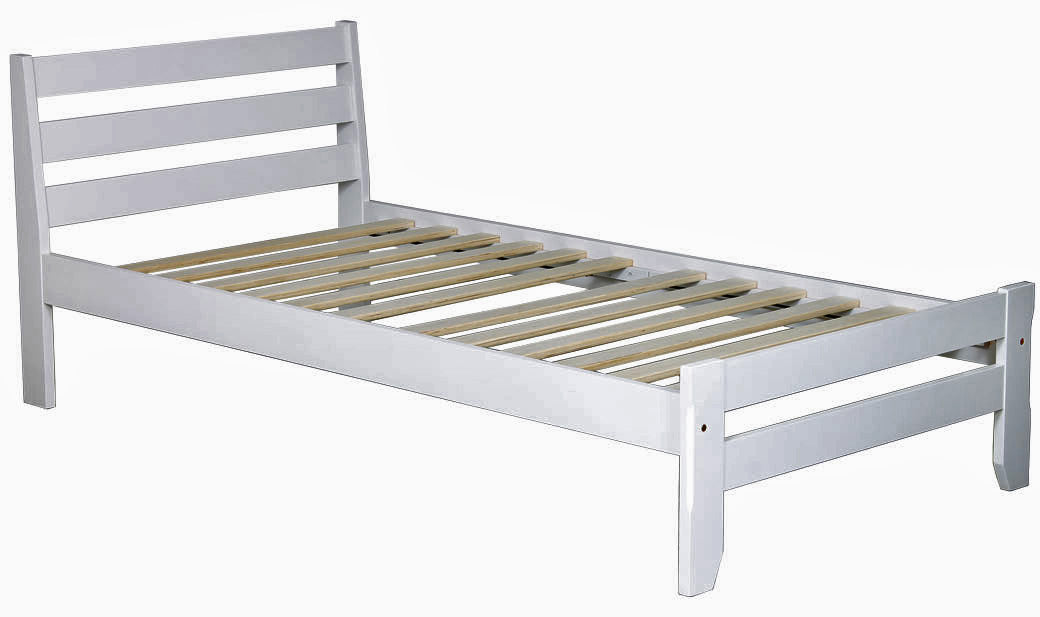
- Slatted base: timber or metal slats run across the frame. Slats let air move under the mattress and work well with most mattress types, as long as the gaps aren't too wide.
- Solid or platform base: a flat board or panel. It gives even support but less airflow, so it's worth airing the mattress now and then, especially in damp rooms.
Slat gaps matter most for foam and latex mattresses. If the gaps are too wide, a soft mattress can slowly sink between the slats and develop dips. A common guide is to keep gaps to around 7 to 8 cm or less, but the mattress maker's own advice always comes first. Innerspring mattresses are usually more forgiving. When you're comparing single frames across our bed shop in Auckland range, ask about the base type and slat spacing, because those details aren't always shown in a product photo.
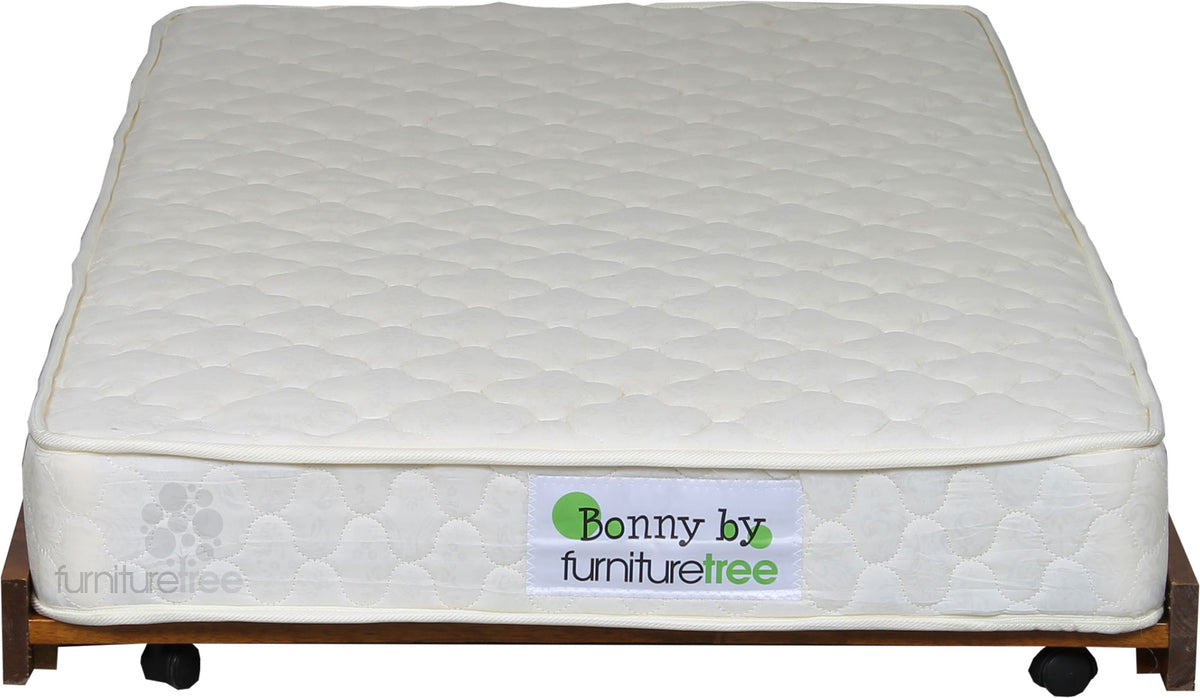
Next, look at mattress depth against the frame. Some single frames have side rails that sit above the base, so a thin mattress can sink below the rail line, and a very deep one can sit high and look top-heavy. Compare the mattress thickness with the frame's height and rail design before you buy. Then think about who's climbing in:
- Younger kids: a lower frame with a mid-depth mattress makes getting in and out easier, and a fall from a low bed is less of a worry.
- Teenagers and adults: a taller frame and a thicker mattress make the bed easier to sit on and get up from.
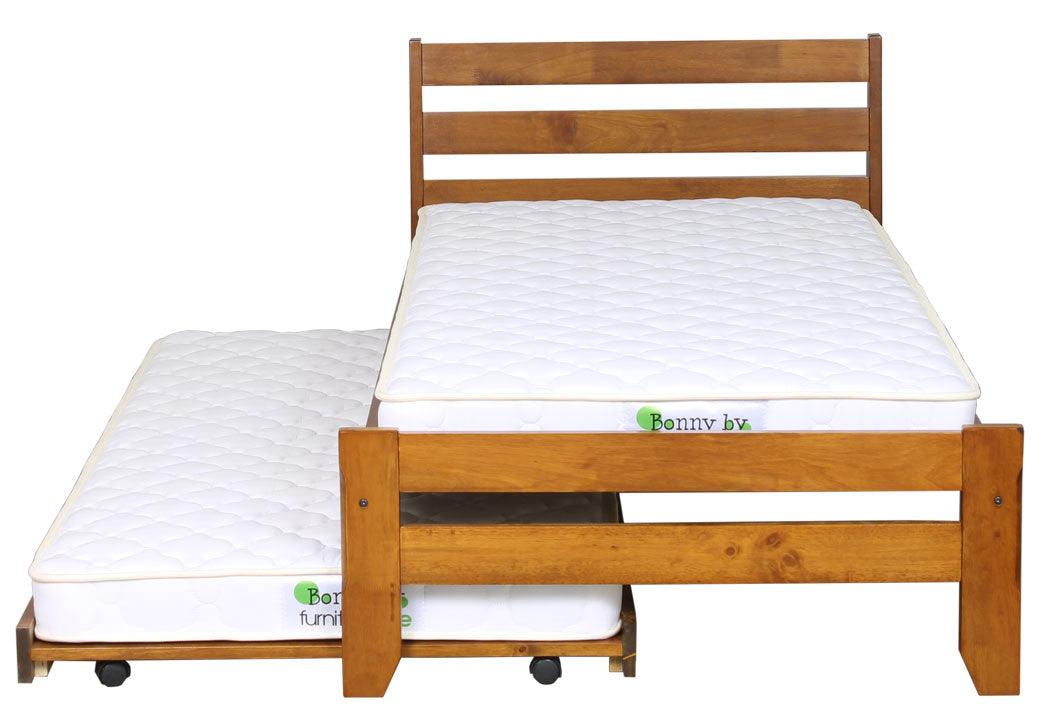
- Bunk and trundle setups: these often need a thinner mattress so the guard rail stays high enough or the pull-out bed slides under. Check the frame's stated mattress limit first.
Damp is worth a thought too. Many Auckland homes deal with winter condensation, and a mattress on a solid base in a cool, closed-up bedroom can trap moisture underneath. If your child's room tends to fog up on cold mornings, a slatted base and a regular mattress flip or rotation will help keep things fresh.
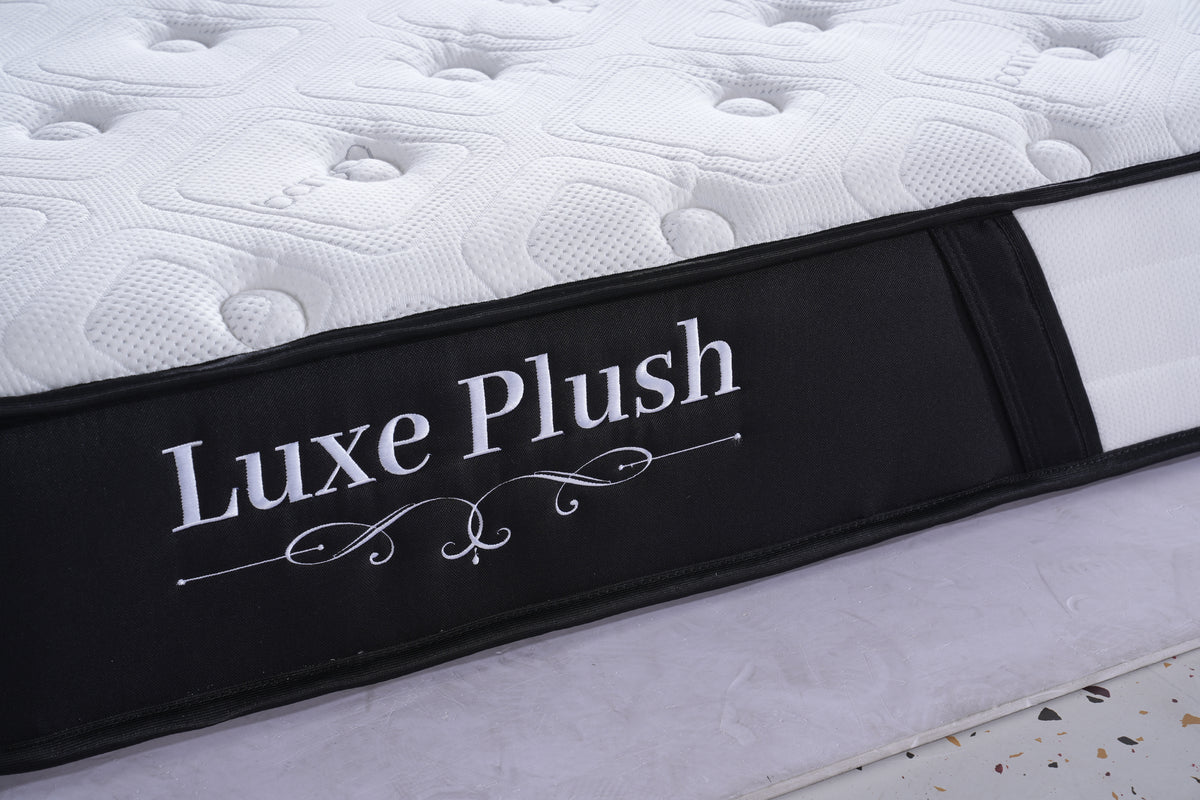
Finally, keep the mattress and frame a matched pair. Picture a parent who buys a lovely firm single mattress online, then later picks up a second-hand frame with wide, flexible slats. Within months there's a dip in the middle and the child is rolling toward it. Choosing both together, with the same size and base in mind, avoids that. If you still need a mattress, our Single Mattresses range covers comfort and support options for this size.
That same focus carries through the practical bed shop in Auckland guidance our team provides to local families.
Learn more about our main service page.
Who a Single Bed Suits in Auckland Homes
A single bed is the right call when three things line up. One person sleeps in it. The room has other jobs to do. And the sleeper won't outgrow it in the next few years. If all three are true, a single gives you a proper bed without giving up the rest of the room. If one of them isn't true, it's worth stopping to think before you buy.
Here's who a single usually works well for:
- Kids moving into their first big bed. A single feels like a real step up from a cot or toddler bed, but it doesn't swallow the room. There's still floor space for a play mat, a toy box, or a small desk later on.
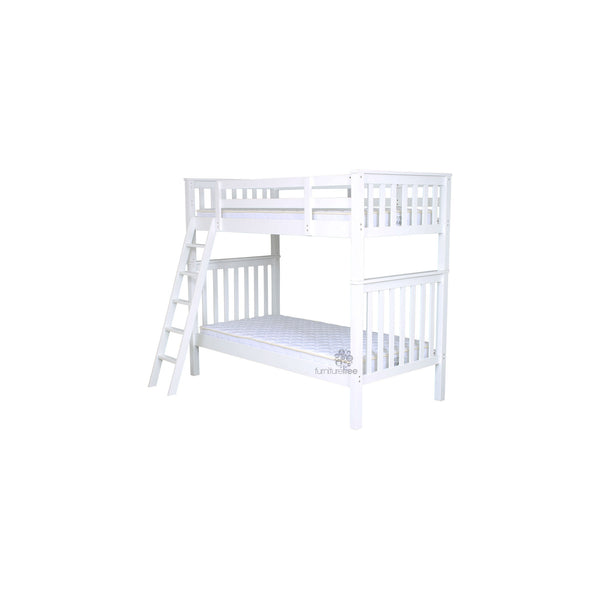
- Siblings sharing a room. Two singles side by side, or one along each wall, give each child their own space. That's often easier than squeezing in a bigger bed and a camp stretcher. If floor space is really tight, bunk beds or a trundle bed are worth a look, and they each have their own page.
- Spare rooms that pull double duty. If your guest room is also a home office, sewing room, or homework space, a single along one wall leaves room for a desk and chair. Guests get a real bed, and you get your room back the rest of the time.
- Boarders, students, and flatmates. When someone is renting one room for themselves, a single keeps the room usable for studying and storing their things, not just sleeping.
- Older family members moving in. A single is easier to make up and walk around, and it leaves room for a bedside chair or a set of drawers within easy reach.
Picture a family with two kids aged six and eight sharing the back bedroom. With two singles against opposite walls, there's a clear strip down the middle for getting dressed and playing. Each child has their own bed to make, and nobody's kicking anybody at night. That's the sort of room where a single earns its place.
Now for the honest part. A single bed isn't the right choice for everyone, and buying one for the wrong person usually means buying again sooner than you'd like.
- Couples. A single isn't built for two people, even for the odd night. Look at Double Beds or larger instead.
- Teens who are already close to adult height. As covered above, length is what runs out first. A king single will last them much longer.
- Adults who want this as their main bed for years to come. If you're sleeping on your own but you've got the floor space, a double gives you more room to spread out and still works if your living situation changes.
- Kids who often have a parent, sibling, or pet climbing in at night. If bedtime regularly turns into two in the bed, a single will feel cramped fast.
The easiest way to decide is to think two or three years ahead. Who'll be sleeping in this bed then, and what else will the room need to hold? If the answer is still one person and a room with other uses, a single is a smart, space-saving buy that will serve you well. If you can already see the sleeper or the room changing, it's better to size up now than replace the bed later.
Thinking about Single Beds in Auckland? Let's talk.
027 253 1566Explore Our Furniture Collection. Furniture Tree Auckland is ready to help.
Frame Materials and Styles to Choose From
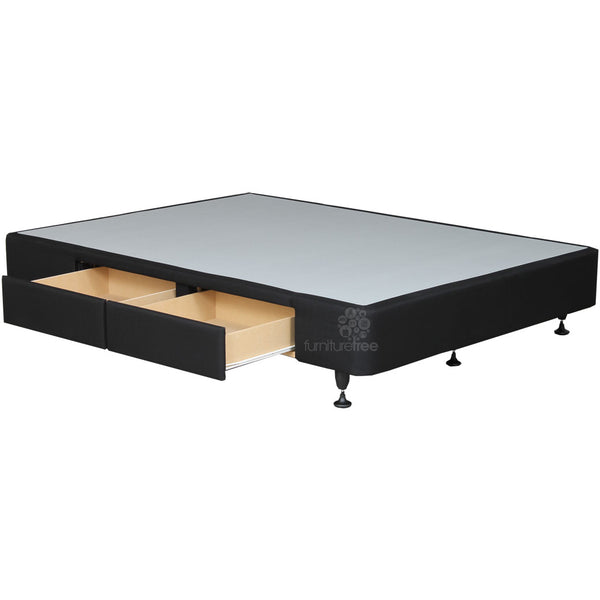
Once you know the size and who's sleeping in it, the frame material is what decides how long the bed lasts. A single in a seven-year-old's room takes a very different beating from one in a spare room that gets used twice a year. So pick the material for the life the bed will have, not just how it looks on day one.
Here are the main options you'll come across:
- Solid timber: pine and hardwood frames are strong, easy to tighten up if a joint loosens, and they can usually be sanded or repainted if they get marked. Pine is lighter and softer, so it can dent. Hardwood is heavier and more resistant to knocks. Both suit kids' rooms where the bed gets jumped on, sat on, and pushed around.
- Engineered wood: MDF or particleboard with a veneer or painted finish. It's often lighter and comes in more colors and modern shapes. It's fine for gentle use, but chips and swelling are harder to fix, and screws can work loose if the bed is taken apart and rebuilt a few times.
- Metal: steel frames are slim, light, and take up less visual space, which helps in a narrow room. Look for solid welds and a frame that doesn't wobble when you push the corner. Rubber caps on the feet stop metal legs from scratching floors.
- Upholstered: fabric-covered frames feel soft and cozy, and a padded headboard is nice for a teen who reads or games in bed. Fabric marks more easily than timber or metal, so think about sticky fingers and muddy feet before choosing a light color. In a room that's prone to condensation, as mentioned above, fabric can hold moisture more than a hard surface will.
Style matters too, and mostly for practical reasons. A headboard gives a pillow something to lean against and protects the wall from scuffs. A footboard can make a small room feel tighter and can catch a tall sleeper's feet, so leave it off if length is already borderline. A low-profile frame suits younger kids and keeps a small room feeling open. A taller frame leaves space underneath for storage boxes or a pulled-out drawer. If under-bed storage is the main reason you're buying, our Storage Beds page covers how those designs work.
If you'd like a natural look that can be refreshed as a child grows, our Wooden Bed Frames range is a good place to start. Painting a pine frame a new color when a ten-year-old turns into a teenager is a lot cheaper than buying a new bed.
Before you commit, give any frame you're considering a quick check. Press down on the side rail and shake the headboard. Ask how it's put together and whether it can be taken apart for a move. In Auckland, plenty of families shift house or swap kids between rooms. A frame that comes apart and goes back together cleanly will keep serving you long after the first setup.
When a Single Bed Isn't the Right Choice
We've already covered the people a single doesn't suit, like couples and fast-growing teens. This part is different. It's about the times when buying any new single, from us or anyone else, just isn't the smart move right now.
- Your current bed only needs a fix. A squeaky, saggy single isn't always worn out. Flip the mattress off and take a look underneath. Loose bolts can often be tightened with an Allen key, and a cracked or missing slat can usually be swapped out. If the frame is solid and the mattress is the real problem, a new mattress alone may do the job for a lot less than a whole new bed.
- You're moving house soon. Hold off until you know the new bedroom's size, where the windows and wardrobe sit, and how wide the doorways are. A single that's perfect for the room your child has now could be the wrong fit in the next place.
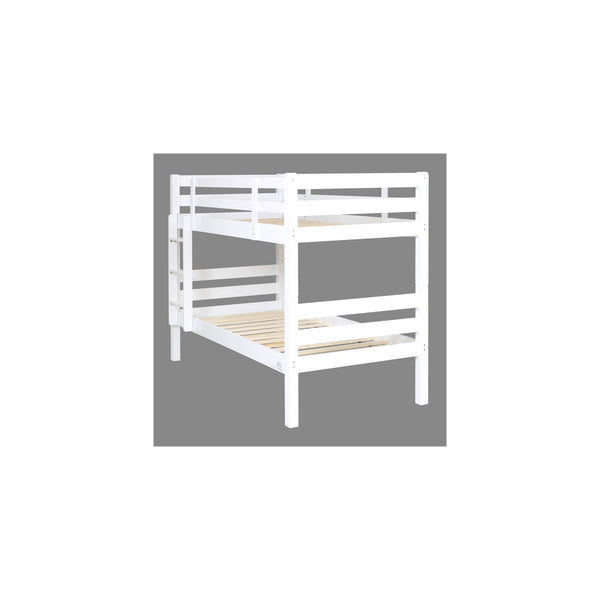
- Two kids need to share a room that only fits one bed. Two singles side by side need a fair bit of floor. If the room can't take that, bunk beds stack two sleepers into the space of one, and that's usually the better buy here.
- Friends stay over most weekends. If your child's room hosts sleepovers often, a trundle bed gives you a second bed that slides away during the day. A plain single on its own means someone ends up on the floor.
- Your bedding cupboard is already full of king single sheets. As mentioned earlier, the two sizes don't swap. If the room passes the masking tape test for a king single, buying a smaller bed means buying all new linen too.
Here's a common example. A parent notices their eight-year-old's bed creaking every time they roll over, and there's a dip near the middle. They start looking at new beds. Then they lift the mattress and find two split slats and a corner bolt that's worked loose. Twenty minutes with a screwdriver and a couple of replacement slats, and the bed is quiet and level again. If the mattress still feels supportive after the fix, there's no reason to replace anything.
Before you decide a bed is finished, do a quick check. Press down on each side rail. Shake the headboard. Look along the slats for cracks, bowing, or gaps where one has slipped out of place. If the frame passes and the sleeper still fits comfortably, keep the bed you've got.
It's also fine to wait. If your child is somewhere between a toddler bed and a big bed and you're not sure they're ready, there's no prize for rushing. The same goes for a spare room you're still working out what to do with. A single is a good buy when you know who's sleeping in it and what the room needs to hold. If you're not there yet, give it a few months. The right bed will still make sense when you are.